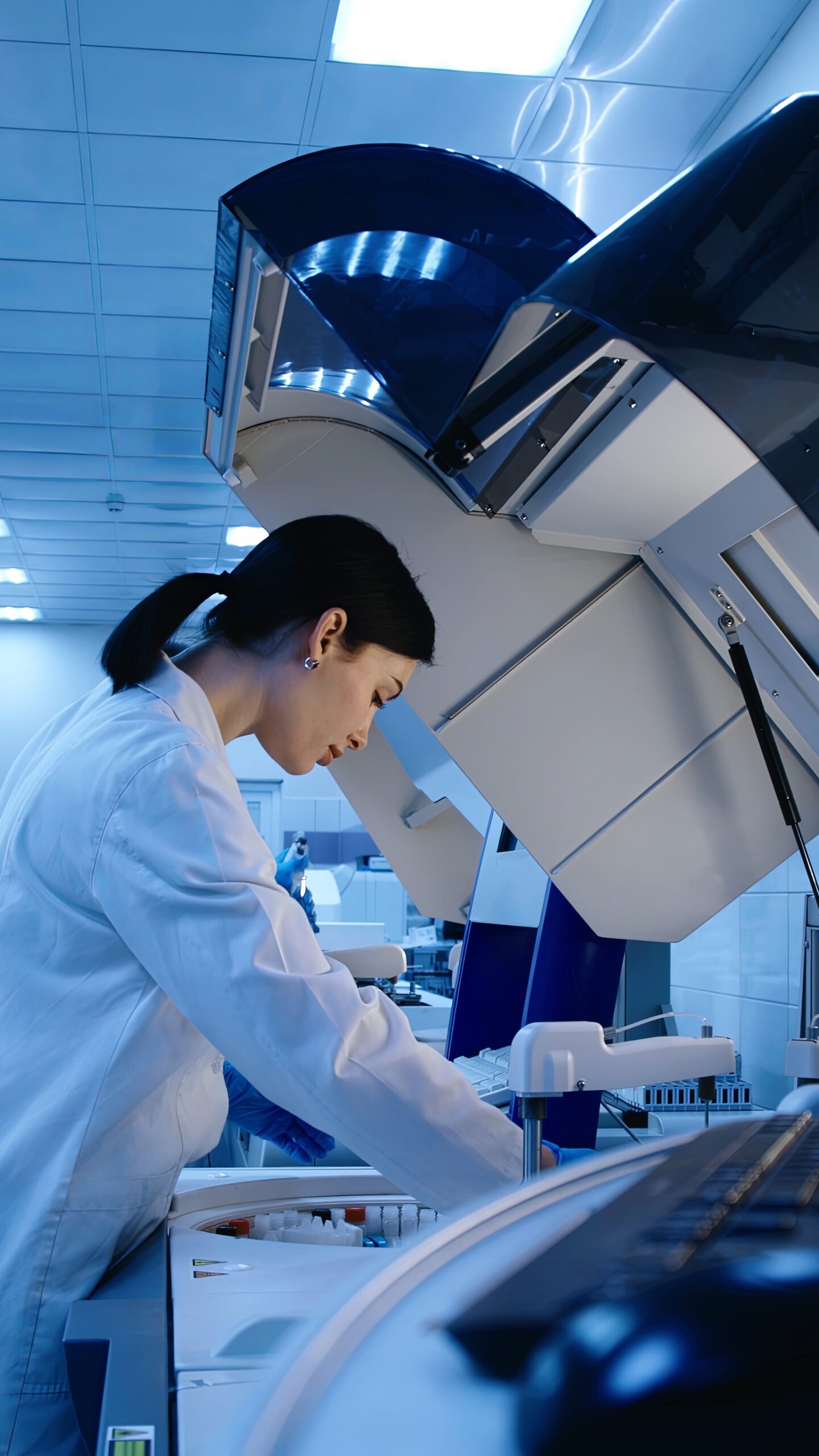
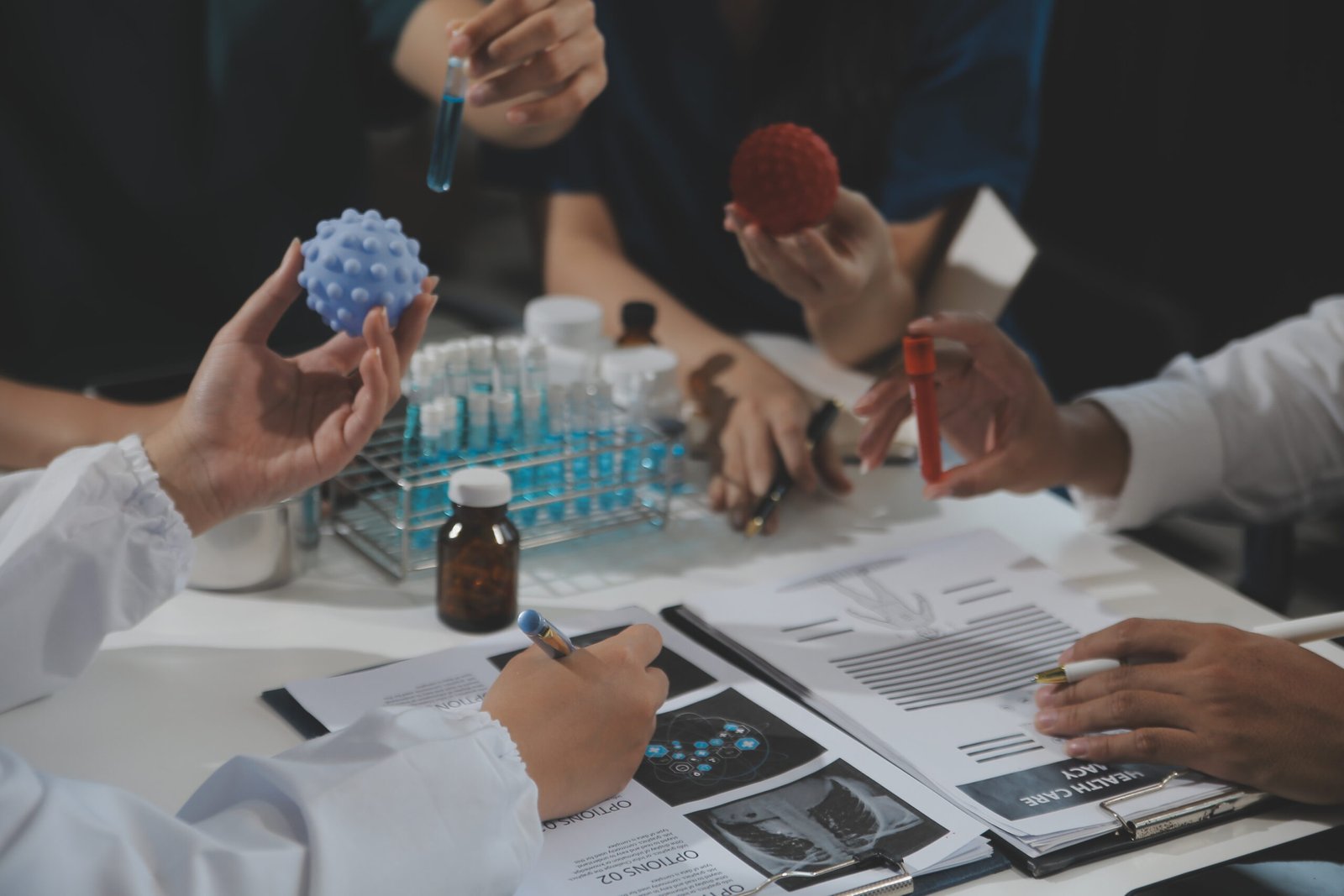

In a vast hall, two generations meet: scientists who have accumulated thirty or forty years of experience in laboratories and national projects, and young men and women carrying great enthusiasm, digital awareness, and bold dreams of changing the world. The scene does not appear to be a mere conference or a fleeting event, but rather closer to a human tableau expressing the core idea of the Scientific Advisory Council: that knowledge is a collective project, not accomplished by a single generation nor reduced to a single name, but built through accumulation, communication, and dialogue.
The Scientific Advisory Council, when operating with a vibrant spirit, is not merely a closed club for big names or old experiences, but a space that also accommodates new blood, young minds, and energies seeking a real opportunity to contribute to shaping the future. The expert scientist comes loaded with a long memory: remembering experiments that succeeded, projects that stumbled, decisions made in difficult circumstances, and lessons paid for dearly when listening to science was not enough. This memory is not a mere narration of the past, but a compass warning against repeating errors, and helping to distinguish the path leading to success from the path that reproduces failure.
In contrast, the young researcher enters this space carrying a different kind of strength: high sensitivity toward modern technologies, an ability to deal with big data, familiarity with AI tools and real-time data analysis, and a deep understanding of the digital world that has come to govern the details of daily life. The young man or woman carries not only technical skills but also boldness in asking difficult questions, a readiness to challenge axioms, and a willingness to search for solutions that are still “unfamiliar” in the eyes of previous generations.
When these two worlds – the old with its experience, and the new with its enthusiasm – sit at the same table within an organized framework like the Scientific Advisory Council, it is not merely an exchange of opinions; rather, a new layer of awareness is formed. Old experience transforms into a calm compass that prevents drifting behind every new technological trend without evaluation, giving the discussion depth and weight. At the same time, youth enthusiasm transforms into an effective engine driving ideas forward, preventing them from stagnation or spinning in a circle of repetition, and transforming theoretical visions into projects executable on the ground.
Through this interaction, a shared awareness forms that science is not the property of a specific generation, nor the monopoly of a specific group. It is a continuous project through time, starting with questions from one generation and extending to be completed by answers from another. The past here is not treated as a burden, but as an asset; the present is not viewed as a threat, but as an opportunity; and the future is not left to the unknown, but planned for with gradual collective awareness.
In this dialogue between generations within the Council, the goal is not merely issuing formal recommendations raised in reports or presented in closed meetings. The deeper goal is building a sustainable culture of collective scientific thinking—a culture that makes the Council a non-traditional school where everyone learns. The youth learn the art of asking the right question before busying themselves with finding the answer; they learn how to organize their ideas within a national and strategic context, and how to link modern technologies to the real needs of society, not just to what global trends dictate.
Simultaneously, the elders learn the art of listening to new viewpoints unlike what they were accustomed to for many years. They learn that maintaining true scientific standing is not achieved by closing doors to the new generation, but by opening them, sharing expertise, and transforming personal experience into a shared asset. This listening does not detract from their value, but increases it, because it makes their experience capable of enduring through time via new minds carrying the torch after them.
The success of this dialogue does not happen automatically; it requires conscious will within the Council. It requires leadership that believes generational diversity is a strength, not a threat, and an organizational environment that sets clear paths for youth participation in committees and research teams, opening real opportunities for them to contribute to preparing studies rather than being silent attendees. It also requires mentoring programs where every young researcher pairs with a senior expert, in a relationship extending beyond a single project or fleeting meeting, to transform into a continuous journey of learning and development.
A crucial element is also providing a safe space for discussion within the Council; a space that allows for differences of opinion without turning into personal clashes, and embraces renewal without falling into the chaos of irresponsible experimentation. In such an environment, it becomes natural for a young person to propose an unconventional solution, and for an expert to respond with a past experience revealing its strengths and weaknesses, allowing the idea to be reshaped to become more mature and applicable.
When this spirit is realized, the Scientific Advisory Council truly transforms into a platform for shaping the future, not just an apparatus to serve the present. It becomes a “living house of expertise” where the memory of the past, the vitality of the present, and the boldness of imagination for the future gather in one place. In this house, the young are not asked, “Who are you to give your opinion?”, nor is the expert told, “Your role is over.” Rather, everyone is viewed as part of a single system; every part is necessary to complete the picture, and for science to transform from words in reports into a real force that changes reality.